Common Best Citibank Business Mistakes to Avoid
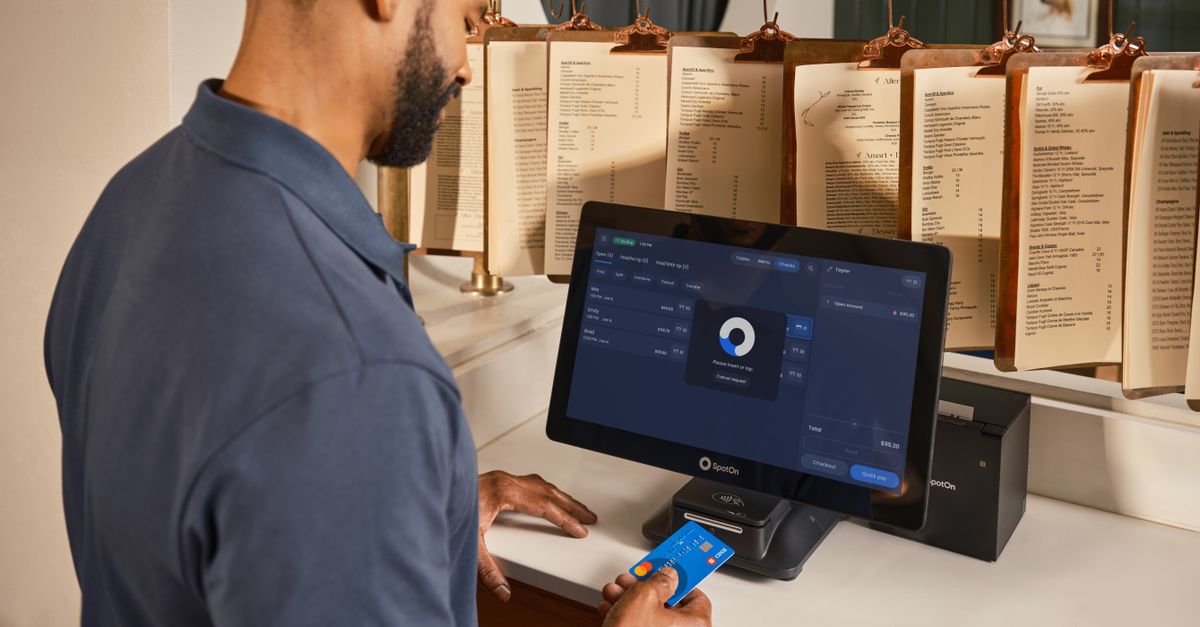
Running a small business means juggling invoices, payroll, and marketing—all while trying to keep your finances tight. One tool many rely on is the best Citibank business credit card, but even the most generous rewards or highest limits won’t help if you’re making avoidable missteps. In fact, some of the most costly errors aren’t about interest rates or fees—they’re about timing, oversight, and assumptions. Let’s walk through real-world mistakes we’ve seen time and again—and how to sidestep them before they hurt your bottom line or credit score.
Paying Late (Even Once)
Late payments don’t just trigger fees—they ding your business credit profile for up to seven years. With Citibank, the grace period is typically 21–25 days after the statement closes, not after the purchase date. It’s easy to assume ‘I’ll pay it next week’ and miss the cutoff entirely. Worse: automatic payments sometimes fail silently due to insufficient funds or outdated bank info. Set two reminders—one five days before the due date, another the day before—and verify payment status in the Citibank mobile app. Bonus tip: Link your card to accounting software like QuickBooks so transactions sync and due dates appear in your workflow—not just your inbox.
Ignoring the Rewards Fine Print
That flashy sign-up bonus? Great—if you hit the spend requirement and redeem before points expire. Citibank’s ThankYou® Points don’t expire as long as your account stays open and active—but many users forget that ‘active’ means at least one transaction every 18 months. Also, bonus categories rotate quarterly (e.g., 3x on gas one quarter, 3x on office supplies the next), and unless you check the portal each month, you’ll miss out. Don’t treat your best Citibank business credit card like a generic plastic. Treat it like a tool with settings—and adjust them regularly.
Mixing Personal and Business Spending
Yes, Citibank lets you add authorized users—including yourself—but blurring personal and business charges muddies bookkeeping, complicates tax filing, and can weaken liability protection. If your LLC gets audited and half your card statements show grocery runs and family vacations, the IRS may question your business legitimacy. Keep it clean: use the card only for verifiable business expenses, and save receipts digitally with timestamps. Pro move: Use the Citibank app’s expense categorization feature to tag purchases on the spot—no scrambling come April.
Maxing Out Your Credit Limit Without Planning
High utilization—even temporarily—lowers your business credit score. Citibank reports your balance-to-limit ratio monthly to commercial bureaus like Dun & Bradstreet. Hitting 90%+ for two billing cycles in a row can flag your account for review—or worse, trigger an unsolicited credit limit reduction. Instead of waiting until the last minute to pay down the balance, make two smaller payments per cycle: one right after payroll hits, another mid-month. That keeps utilization low and builds a habit of proactive cash flow management. And if you consistently need more breathing room, ask Citibank for a limit increase before you’re scrambling—not during a cash crunch.
Frequently asked questions
Does Citibank report business card activity to personal credit bureaus?
Generally, no—Citibank reports most business cards to commercial credit agencies (like Experian Business, Dun & Bradstreet), not your personal Equifax/Experian/TransUnion file. However, if you personally guaranteed the account (which most small business applicants do), late payments can appear on your personal report—and your personal credit score may be checked during underwriting.
Can I change my Citibank business card’s billing cycle date?
Not directly. Citibank assigns the statement closing date based on when your account was opened. But you can request a different due date by calling customer service—though approval depends on account history and policy at the time. A more reliable workaround: align your internal cash flow schedule around your existing cycle instead of fighting it.
What happens if I close my best Citibank business credit card?
Closing it removes available credit from your utilization ratio overnight—which can drop your business credit score. It also erases the age of that tradeline from your commercial credit file. Unless the card has an annual fee you no longer want, consider keeping it open and using it for one small, recurring charge (like a domain renewal) to maintain activity and history.
Are there Citibank business cards with no foreign transaction fees?
Yes—the Citi Business Double Cash Card and Citi Business Platinum Select Card both waive foreign transaction fees. That makes them solid picks for importers, consultants working with overseas clients, or anyone who books travel internationally. Just double-check the current terms on Citibank’s site—fee structures occasionally shift.